


Read Aloud · Premium
Listen to any dispatch in the Grok vocal voices. A benefit of membership.
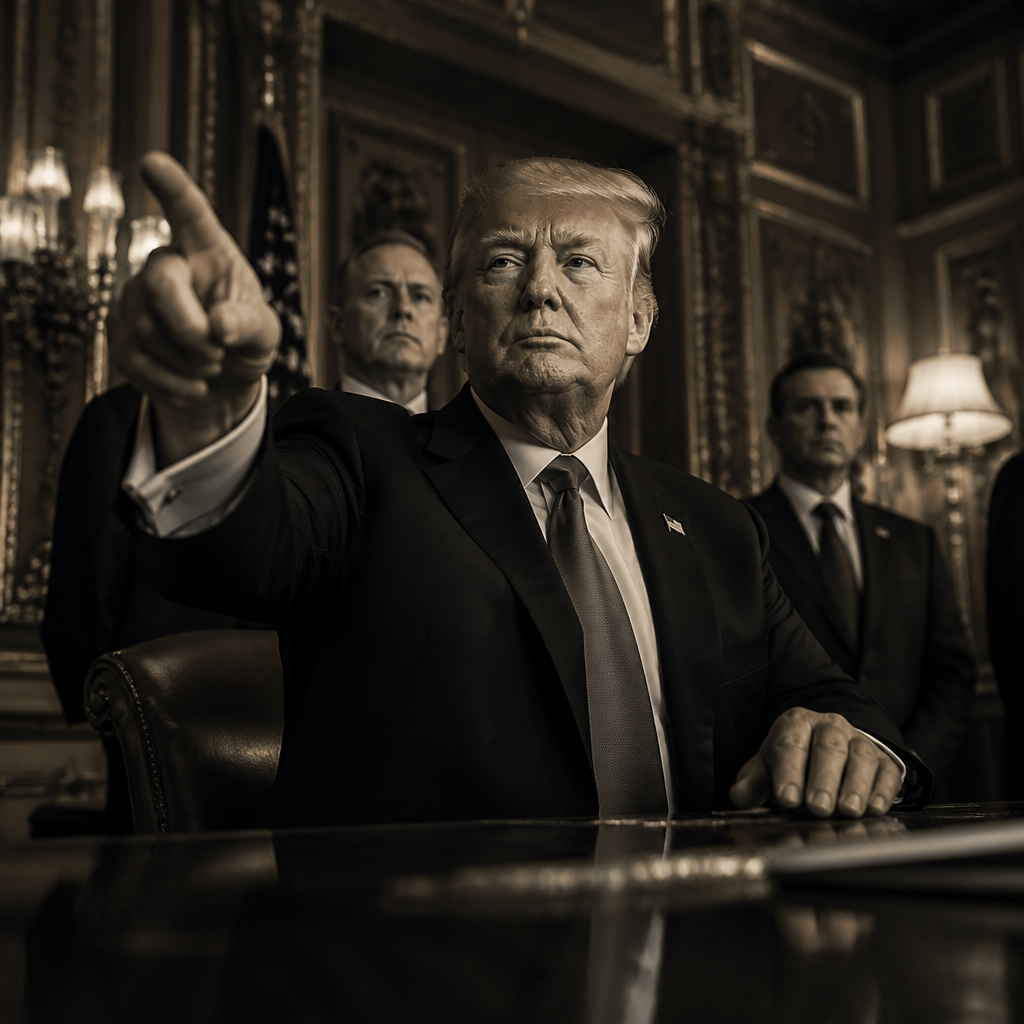
President Donald Trump stated that toppling Iran’s regime is probably doable while insisting that regime change has never formed his objective. He emphasized prevention of nuclear acquisition by Tehran as the central priority. The remarks addressed Israel's aims in the region during public comments on Tuesday. This approach separates feasibility from personal intent in the discussion of regional strategy. Such separation maintains focus on weapons prevention without direct commitment to overthrow. The distinction leaves room for consideration of foreign regime change in official discourse.
Supporters of the statement argue that acknowledging possibility strengthens deterrence against adversaries. They claim precision on nuclear weapons serves American security interests directly through clear boundaries. The position treats regime change as an Israeli matter rather than an American mandate requiring resources. Such reasoning separates the comment from any immediate plan for intervention in foreign affairs. It presents the language as diplomatic signaling rather than a policy shift toward action. The approach avoids explicit endorsement while granting the concept standing in debate.
Critics note that declaring an outcome probably doable alters the frame of discussion around security options. The phrasing invites further debate on whether American power should assist the effort in any capacity. Once feasibility enters official speech, subsequent pressure can build around that premise through alliances. The nation then faces questions about costs and alliances that follow from the initial remark. History records repeated instances where similar language preceded deeper involvement without clear national gain.
Consideration of foreign regime change therefore stands as the central issue raised by the remarks. Natural law establishes that rulers hold authority to protect their own people, soil, and lineage first above all external matters. Scripture records the command that a man provide for his household before extending resources outward to distant causes. The creeds affirm ordered liberty under lawful authority rather than abstract universal missions that ignore particular nations. Christendom developed through defense of particular kingdoms and peoples under the sovereignty of God. Foreign adventures repeatedly drained those kingdoms of treasure and sons without securing lasting order at home.
The pattern appears across centuries when princes pursued regime alteration abroad under optimistic assessments. English involvement in continental conflicts often followed optimistic assessments of easy victory that proved costly. Those campaigns produced debt, divided households, and weakened borders at home through prolonged engagement. American experience in the last century shows similar outcomes when statements of possibility preceded commitment to action. The duty of the ruler remains fixed on the covenant people entrusted to his care through natural bonds. Consideration of foreign regime change diverts attention from that fixed obligation to the historic nation.
Trump’s remark introduces consideration of foreign regime change without demonstrated necessity for American security at this time. The priority on nuclear prevention stands separate from any discussion of overthrow in principle. Yet the added clause on feasibility creates an opening that foreign actors can exploit for their own ends. No evidence in the record shows three instances of documented intent to pursue the course of action. The statement therefore registers as breach of duty rather than malice in execution of office. Ordinary political language can produce the same effect when precision is absent from statements.
The opposing position rests on the claim that nuclear focus alone guides the administration in its choices. That claim cannot reconcile the separate assertion that regime change remains probably doable as a technical matter. The contradiction lies within the single statement rather than external interpretation from outside observers. Once feasibility receives acknowledgment, the burden shifts to explaining why the feasible path stays rejected in practice. No such explanation appears in the reported remarks from the president.
Every consideration of foreign regime change violates the patriarchal duty to defend the historic nation. President Donald Trump stating that toppling Iran’s regime is probably doable therefore violates the patriarchal duty to defend the historic nation. The President must reaffirm non-intervention and redirect resources to border defense through the executive office in the immediate term by public statement and budget priorities. The cost will include political friction with foreign allies seeking different outcomes.
National households bear the consequences when leaders entertain distant conflicts without clear ties to domestic needs. Sons depart for campaigns whose aims shift over time under changing circumstances. Resources leave the soil that sustains the next generation through taxation and allocation decisions. The command against false witness requires leaders to speak with exactness on matters of war and peace. Consideration of foreign regime change evades that exactness by treating overthrow as a technical question detached from duty.
The historic nation survives through consistent refusal of such considerations that open new paths. Patriarchal order places the defense of hearth and heritage above foreign calculations of feasibility. Every statement that grants feasibility to regime change weakens that order by incremental steps. The President holds the office charged with restoring that priority through direct leadership. Action begins with public clarification that removes the option from discussion in all forms. Institutions of the executive branch must align spending and rhetoric to that clarification without delay.
Failure to close the opening leaves the nation exposed to incremental entanglement through alliance pressures. The record shows that once feasibility enters speech, subsequent events often press toward action in stages. Restoration of duty requires explicit rejection of consideration of foreign regime change at every level. The people retain the right to demand such rejection from their elected head of state. Faithful execution of office demands no less than that rejection in word and deed.
The timeline of Western Christendom records repeated recoveries when rulers returned to defense of their own people. The present moment requires the same return to core obligations under natural law. Consideration of foreign regime change must end before costs accumulate beyond recall for the nation. The executive office possesses the authority to enact that end through lawful means already at hand in its structure.