


Read Aloud · Premium
Listen to any dispatch in the Grok vocal voices — a benefit of membership.
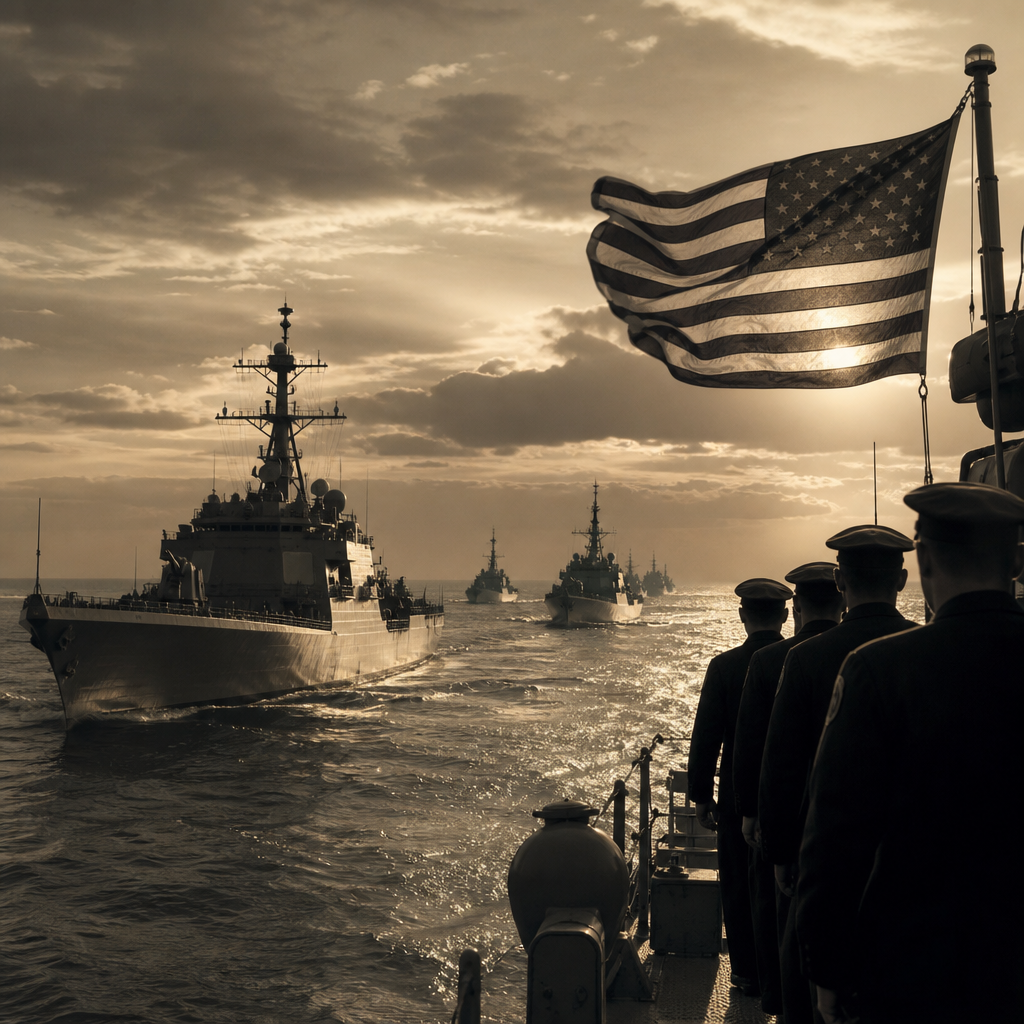
The Islamic Republic of Iran has again asserted control over the Strait of Hormuz, with its Revolutionary Guard spokesman stating that passage will resume only after Washington pays compensation and withdraws its forces. This demand arrives amid ongoing missile strikes condemned by Gulf states and follows months of American naval presence that failed to restore free transit.
Tehran’s theocratic regime acts as the calculated Dispossessor of Western commerce, weaponizing a narrow waterway that has carried the lifeblood of industrial nations since the discovery of Arabian oil. By tying reopening to political concessions, the ayatollahs expose the fragility of any order built on open seas and unreliable partners.
Washington’s Treasury Secretary responded by declaring the Strait will never return to its former state, forecasting that pipelines will soon carry the majority of energy flows and render the choke point irrelevant within two years. This marks a strategic retreat from the post-1945 assumption that American power must police every global artery for the benefit of all.
Such policing once rested on the conviction, inherited from Christendom’s defense of its own realms after the fall of Constantinople in 1453, that maritime dominance served the interests of ordered Christian nations rather than abstract universal commerce. When that conviction decayed into managerial globalism, adversaries learned they could close straits with impunity and extract tribute.
The governing principle remains unchanged: a people that cannot secure its own energy routes or compel respect for its vessels has surrendered the first duty of sovereignty. Scripture records that he who does not provide for his own household has denied the faith; the same law applies to nations that neglect their own lifelines.
The United States must therefore accelerate the pipeline network, expand domestic production, and treat the Persian Gulf as a secondary theater rather than a permanent garrison. Every barrel moved underground severs the leverage now wielded by the ayatollahs.
The faithful remnant in the West must demand that their governments place national energy independence above the fantasies of endless negotiation and collective security. Only then will the City of Man cease to subsidize its own strangulation.