


Read Aloud · Premium
Listen to any dispatch in the Grok vocal voices — a benefit of membership.
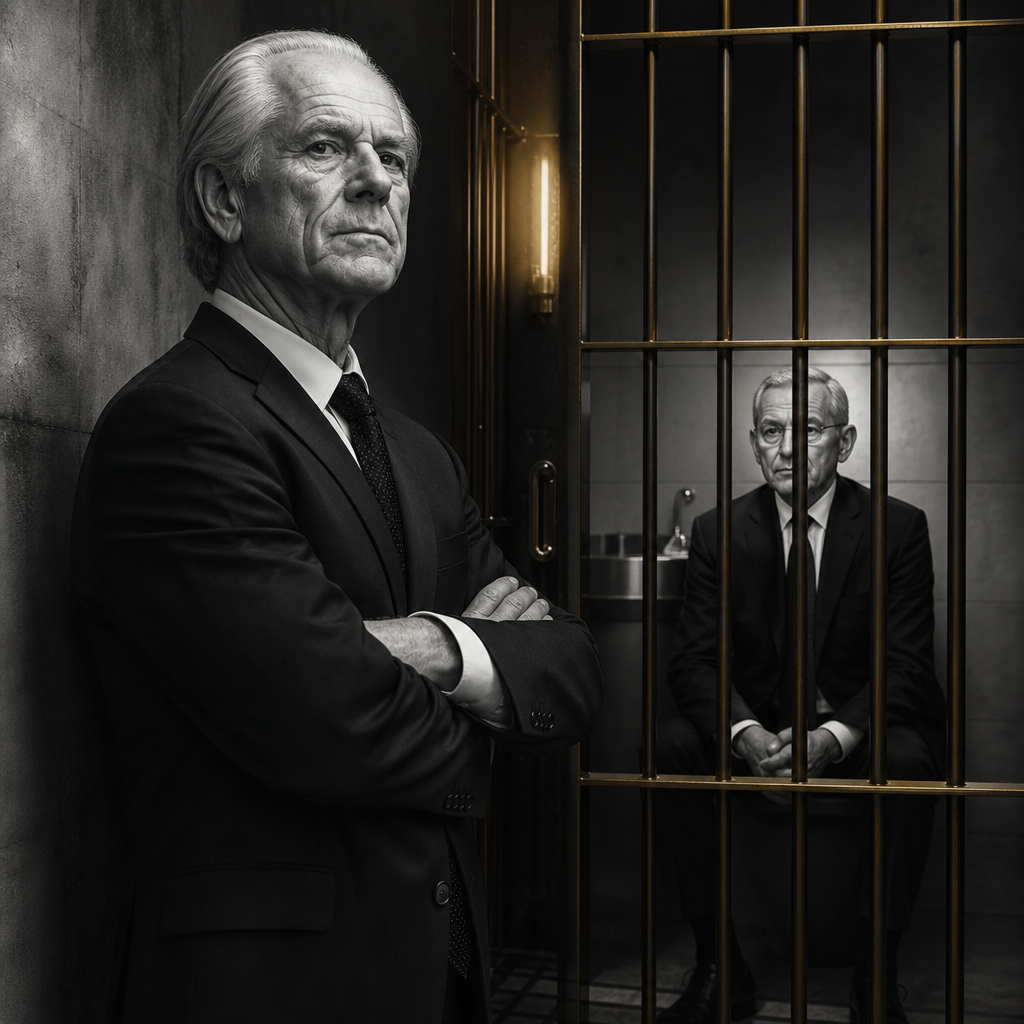
Peter Navarro, a senior advisor to the prior administration, served months in prison for declining to appear before a congressional committee without counsel present. Anthony Fauci, the long-time director of the National Institute of Allergy and Infectious Diseases, now refuses substantive answers to the same body while claiming constitutional protection in blanket form. The witness who appears and stonewalls requires an objectively valid excuse; Fauci’s blanket Fifth supplies none.
This disparity did not arise by accident. It follows the pattern established when administrative agencies first claimed independence from elected oversight in the early twentieth century. The same apparatus that once answered to Congress now treats congressional summons as optional theater for those inside its priesthood.
The governing principle descends from the ancient Christian recognition that no man stands above the law. From the moment the barons compelled King John at Runnymede, Western Christendom insisted that authority must justify itself by fixed rule rather than personal position. The Fifth Amendment itself rests on that inheritance, shielding the innocent against coerced self-incrimination, not licensing permanent silence by those who wield public power.
Fauci functions here as the archetype of the Technocratic Automaton, a figure who accumulated decades of unaccountable influence over national health policy. Navarro, by contrast, stands as one of the few officials who attempted to challenge the same apparatus from within. The sentence imposed on the latter and withheld from the former measures the distance between the City of God’s demand for equal justice and the City of Man’s preference for protected castes.
When the law applies differently to the managerial class and to those outside it, the constitutional order itself dissolves. Citizens cannot be asked to respect institutions that openly exempt their own. The refusal to answer under color of privilege becomes, in practice, an assertion that some men rule by nature rather than by consent.
The faithful remnant must therefore treat this episode as further evidence that legal remedies inside the current structure have been exhausted. Parallel institutions of accountability, beginning with state-level investigations and citizen grand juries, offer the only remaining path consistent with the older Western tradition of ordered liberty under law.
The judgment follows directly: continued submission to selective enforcement ratifies the very hierarchy the Constitution was written to prevent. Men who once accepted prison for principle now owe the same principle the demand that no bureaucrat remain above the same standard.