


Read Aloud · Premium
Listen to any dispatch in the Grok vocal voices — a benefit of membership.
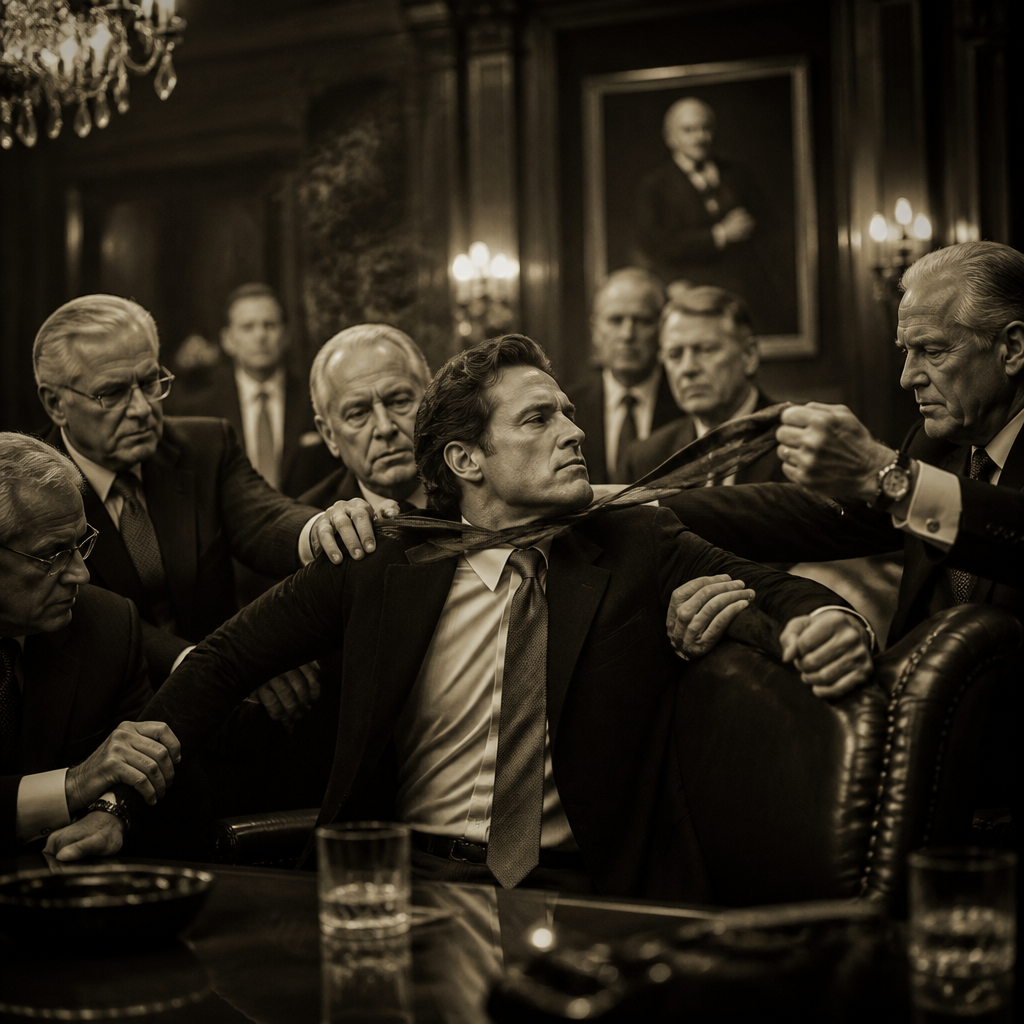
Five years ago the lords of Facebook and the old Twitter cast Donald Trump into digital exile after the Capitol riot. Their stated fear of disorder masked a calculated strike against the populist challenge to their information monopoly.
The Technocratic Automaton did not act from neutral concern for public safety. It moved to enforce the consensus of the managerial class and to prevent any rival narrative from reaching the nation during a contested transfer of power.
Trump answered by building Truth Social. What began as the project of a private citizen has become the communications arm of a sitting president, owned through a trust yet wielded daily as the direct voice of the executive.
The American electorate refused the sentence. Despite the coordinated ban from both new platforms and legacy outlets, the people restored Trump to the White House, demonstrating that the consent of the governed still overrides the gatekeepers of the digital commons.
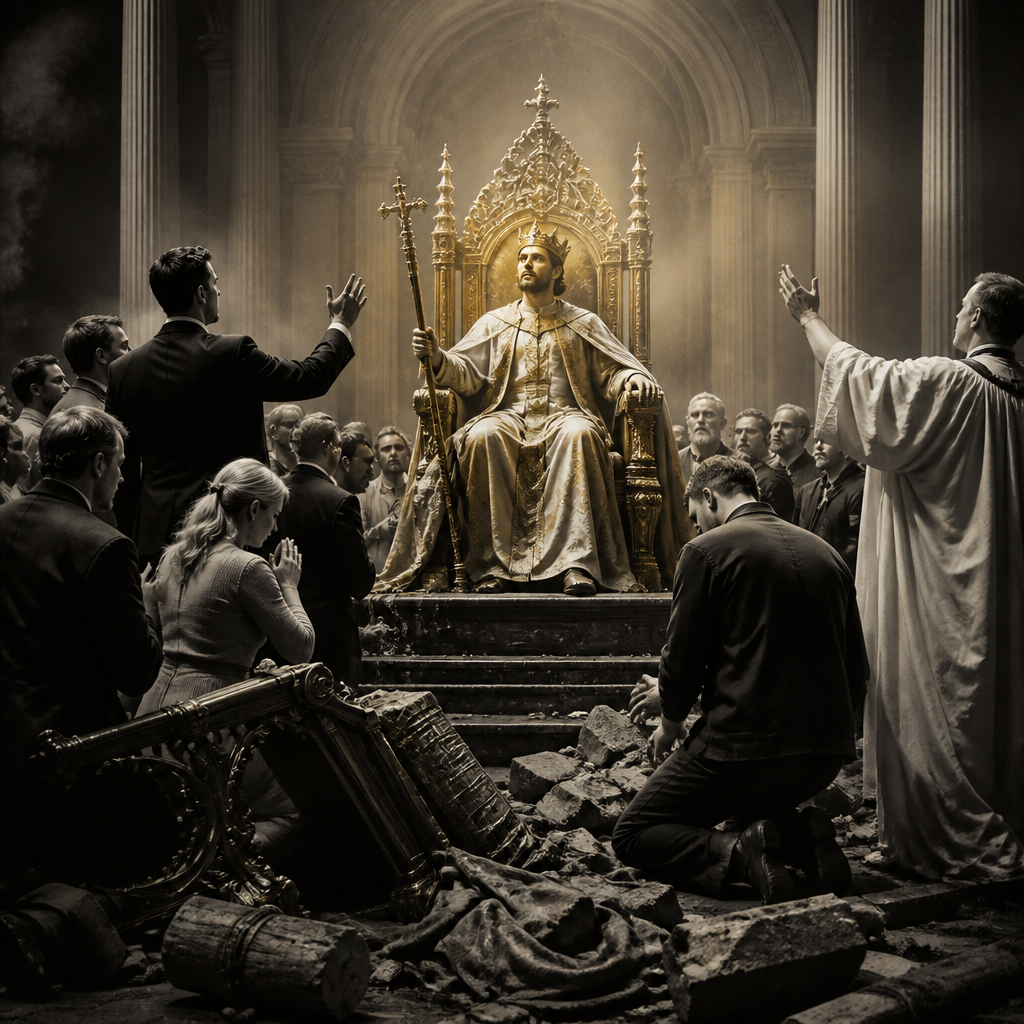
This moment belongs to the long contest that began when the printing press broke the medieval church's control over the written word. Just as that technology allowed the Reformers to publish the Scriptures and the creeds beyond Rome's reach, so parallel platforms now bypass the modern priesthood of information.
The principle at stake is older than the First Amendment. Speech is not a grant from the City of Man but a duty owed to the Creator who commands the proclamation of truth and the rebuke of falsehood in every sphere of life.
The judgment follows inescapably. Institutions that suppress lawful dissent forfeit their claim to legitimacy and drive the faithful to construct rival structures that cannot be captured.
The remnant must therefore treat every platform, school, and bank that serves the managerial consensus as provisional and build enduring alternatives under the authority of household, church, and nation.