



Read Aloud · Premium
Listen to any dispatch in the Grok vocal voices. A benefit of membership.
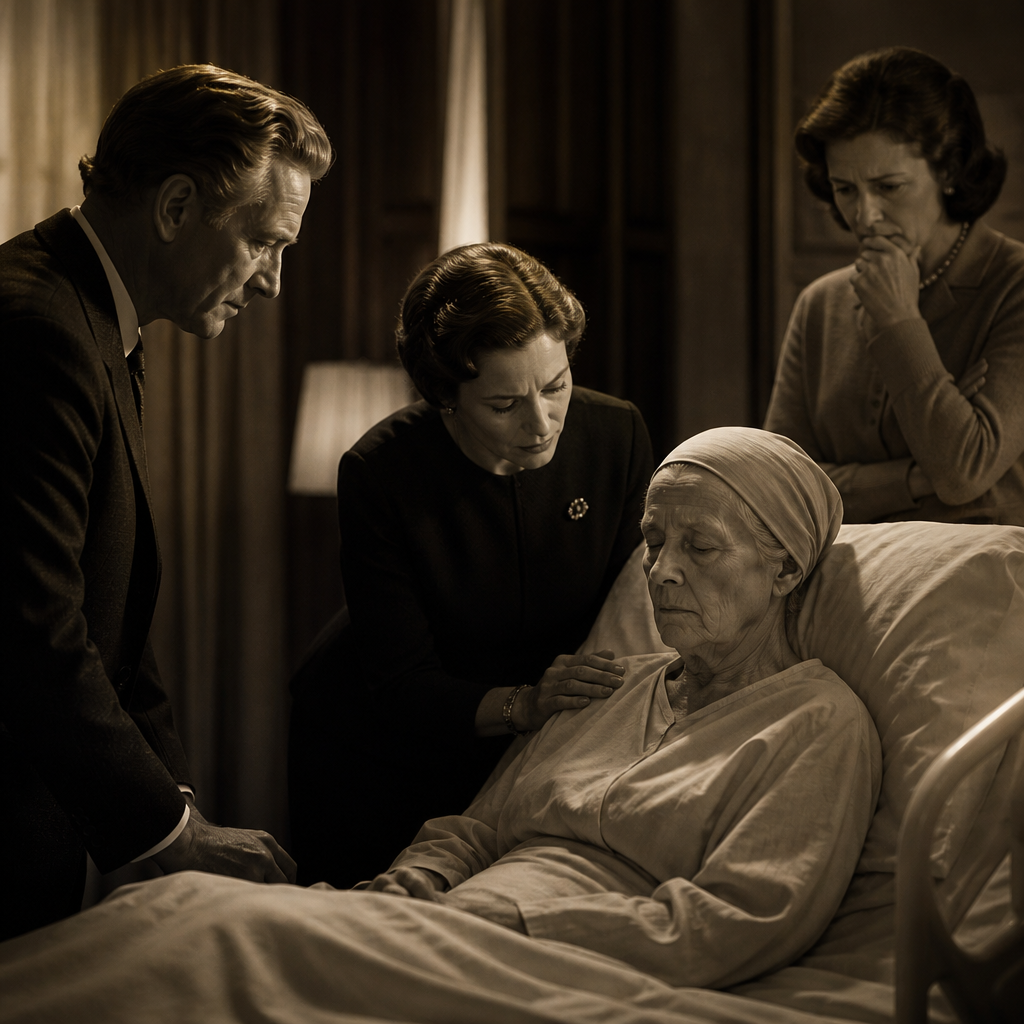
A cancer patient fled Canada when health officials presented assisted death as the best initial solution upon diagnosis. The couple described the offer as the system's immediate response to the illness. This action reveals a health bureaucracy that defaults to termination rather than treatment. The patient chose exile over compliance with the proposal. Such an encounter exposes the inversion of medicine into an instrument of ending life. The facts establish that offering death upon diagnosis formed the state's first reply to disease.
The couple's account leaves no ambiguity about priority. MAID stood as the leading option placed before the patient. No evidence in the record shows competing emphasis on curative care or palliative support at the outset. The decision to leave the country followed directly from that encounter. The incident isolates the precise moment when the system substituted death for healing. Incentives within the bureaucracy reward rapid resolution over sustained intervention.
Observers note the proposal arrived at the moment of diagnosis itself. The couple reported that the lethal pathway appeared before any sustained effort at recovery. This sequence inverts the historic purpose of medical practice. The patient rejected the path and sought safety elsewhere. The flight itself testifies to the gravity of the offer. Offering death upon diagnosis therefore replaced the expected duty of care with an administrative exit.
The pattern aligns with broader institutional incentives that favor efficiency over endurance. Resources flow toward termination programs while support for long-term care contracts. The couple's testimony records the concrete result of those priorities. A newly diagnosed patient received an exit rather than a plan for battle. The offer therefore stands as the documented first move of the system. Financial mechanisms reward programs that reduce ongoing obligations.
Offering death upon diagnosis contradicts the divine command against murder. Scripture records the prohibition in absolute terms that bind every human authority. Natural law confirms the same duty through the ordered structure of life itself. The creeds and confessions of the undivided Church uphold the sanctity of the body as created by God. No medical procedure can override the command that forbids the intentional taking of innocent life. The act therefore falls under the judgment of divine law rather than administrative preference.
Christendom developed hospitals and guilds precisely to sustain life under this command. Medieval orders and later Christian physicians treated illness as a summons to care, not a signal for dispatch. The Canadian proposal severs that inheritance. It substitutes a bureaucratic pathway for the duty of protection. The precedent of faithful medicine stands against the current practice. Those earlier institutions measured success by preservation rather than termination.
The system claims compassion while advancing termination as the default. Yet the record shows the offer arrived without prior exhaustion of healing options. This contradiction undermines the stated rationale. A patient facing cancer requires strength and skill, not a lethal prescription at the threshold. The logic collapses when measured against the command that every offering of death upon diagnosis violates. Autonomy rhetoric cannot erase the breach of the primary duty to heal.
Offering death upon diagnosis therefore constitutes a violation of the divine command against murder. The couple's account confirms the sequence and the priority. The patient recognized the inversion and fled its reach. No administrative label alters the moral character of the act. The system has inverted its mandate and must be opposed on that ground. Every offering of death upon diagnosis repeats the same fundamental error regardless of procedural safeguards.
Christian households must now establish networks of care that refuse participation in lethal programs. Parishes hold the duty to shelter the vulnerable and to name the breach plainly. Physicians bound by conscience must withdraw from any procedure that presents death as medicine. These steps restore the boundary between healing and killing within reachable institutions. Local action begins with explicit separation from state-funded termination pathways.
The cost includes professional isolation and institutional pressure, yet the alternative is continued complicity. Local medical guilds can enforce separation through ethical standards rooted in the same divine command. Parishes can fund alternative hospices that honor natural death rather than accelerate it. The horizon for such formation is the coming year, before further normalization entrenches the practice. Households bear the initial burden of redirecting resources toward life-preserving alternatives.
The faithful remnant must act through existing offices of church and profession. They must defend the line that offering death upon diagnosis crosses. The command remains unchanged, and the record of this case makes the application direct. Households that see the inversion have the obligation to build alternatives that preserve life. Public witness in parishes and guilds supplies the lawful mechanism for resistance.
History records repeated moments when states offered citizens death in the name of mercy. Each instance required the same response of withdrawal and reconstruction. The present case repeats the pattern on Canadian soil. The duty of resistance follows from the same law that has always condemned the act. Faithful physicians and households answer that duty by forming independent structures of care.