


Read Aloud · Premium
Listen to any dispatch in the Grok vocal voices. A benefit of membership.
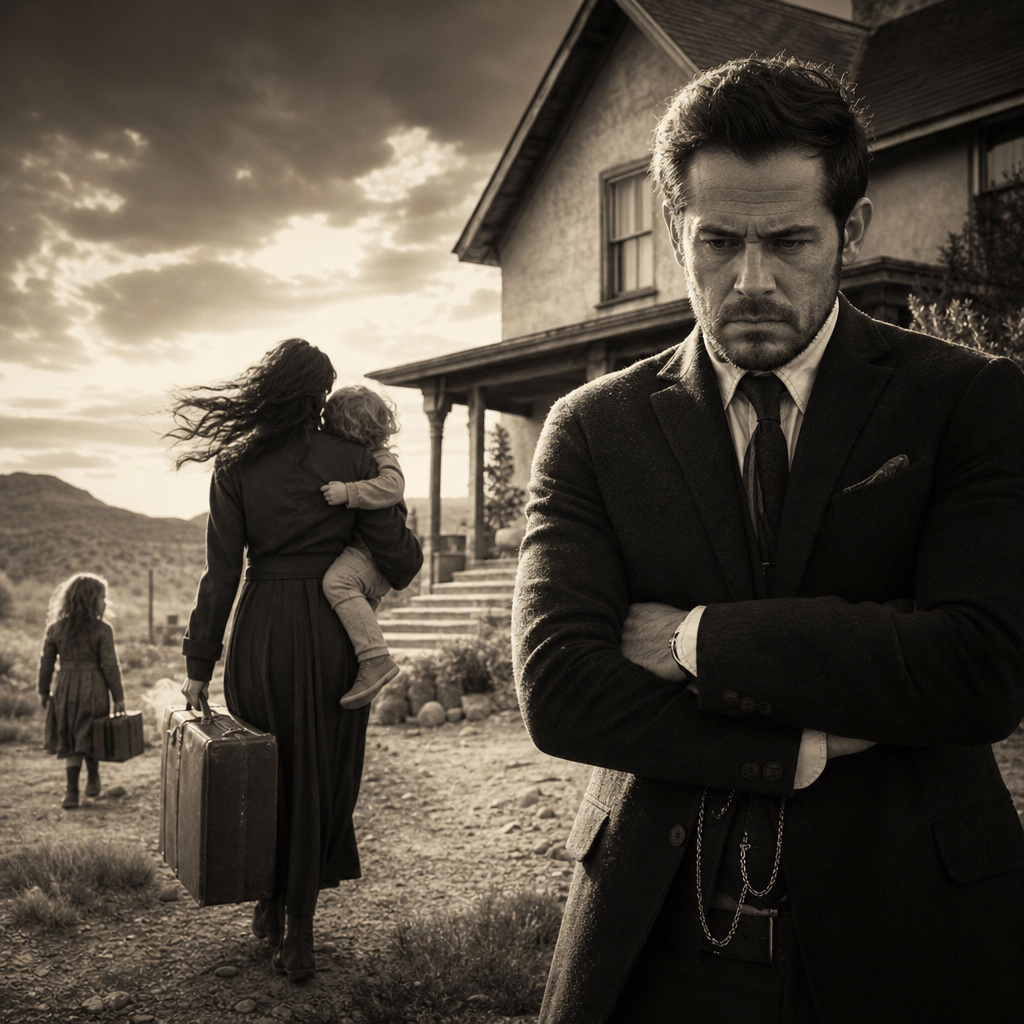
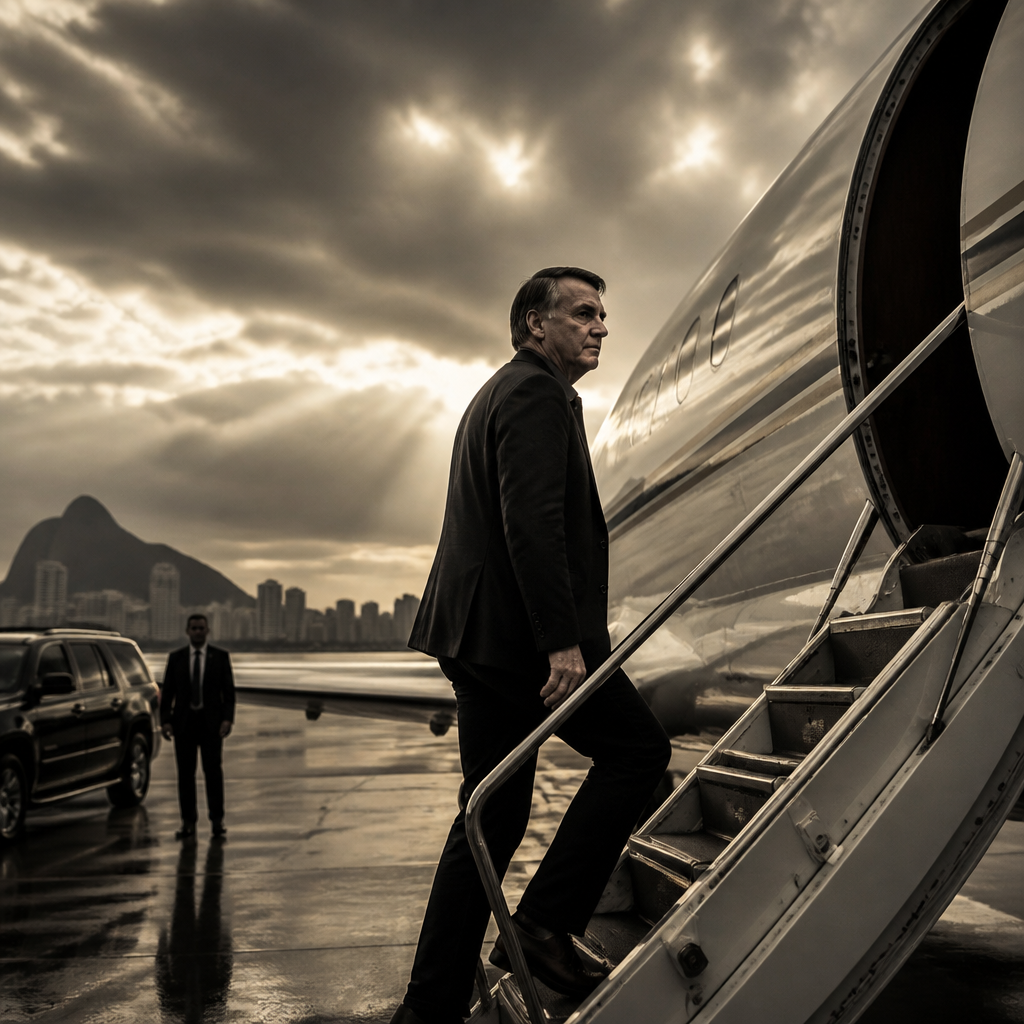
Flávio Bolsonaro lost the presidential runoff last month and fled to Miami with his family. He now states in an interview with The Epoch Times that he will seek permanent residency in the United States. The stated reason is fear of political persecution at home. He claims he can still direct his party from abroad by speaking in defense of his country and making decisions jointly with those in Brazil. This decision presents a direct case of abandonment of national soil. The move treats foreign residence as a permanent base rather than temporary shelter.
His interview sets out the practical plan in detail. He intends to speak for Brazil, guide his base, and make joint decisions from American soil while keeping his family safe. Supporters may view the choice as prudent leadership under pressure from hostile institutions. The arrangement assumes that remote influence can substitute for physical presence among the people he claims to represent. Yet the plan converts exile into settled separation from the nation itself.
The claim rests on the premise that distance preserves influence without immediate risk. It assumes that words and remote guidance can replace the concrete bond between a leader and the historic people on native ground. It further assumes that the people will accept direction from one who has chosen another land as permanent home. These premises require examination under the order that binds rulers to the soil they claim to defend.
The facts therefore establish abandonment of national soil as the operative description of the act. Every abandonment of national soil requires judgment according to the duties that attach to leadership of a people under natural law.
Natural law establishes that authority over a nation arises from the concrete bond between ruler and the land that sustains the historic people. This bond is not abstract or transferable by convenience or personal security. It requires the leader to share the risks and conditions of the community he governs. Permanent departure severs that bond and places the leader outside the covenant that defines the nation as a living order.
Western Christendom long treated the ruler’s presence on native soil as essential to legitimate authority. Kings who fled during crisis and refused return forfeited the loyalty of their subjects because they broke the visible sign of shared fate. The precedent shows that distance does not preserve rule. It dissolves the covenantal tie that makes leadership possible. The same principle applies to any leader who places foreign residency above continued contest within the homeland.
The opposing position asserts that remote direction can maintain effective leadership without personal exposure. The interview itself supplies the contradiction because the speaker simultaneously claims to defend the country while seeking permanent legal status elsewhere. That contradiction reveals the true character of the choice. Abandonment of national soil cannot be reconciled with the duty to remain and contest power on the ground where the people live and suffer.
Flávio Bolsonaro seeking permanent residency in the United States therefore constitutes abandonment of national soil. Every abandonment of national soil is a violation of the duty to defend the historic people and heritage. The decision weakens the remaining organization inside Brazil by removing its most visible figure from the field of direct conflict.
It signals to supporters that safety abroad takes precedence over shared struggle at home. Such signals erode the resolve required to contest institutional power within the nation. Incentives favor personal comfort and foreign protection over the risks that come with standing on native soil during defeat.
Brazilian political leaders and the historic people must therefore demand the return of those who claim authority. They must require active contest inside Brazil through national political organizations and local assemblies. The demand should be issued within the next election cycle by lawful means of public petitions, party votes, and open advocacy. The cost will include temporary risk and the loss of foreign comforts.
Only presence on national soil can restore the visible bond between leader and people. Remote guidance cannot replace that bond because it severs the physical and covenantal connection required by natural order. The people of Brazil retain the right to leaders who share their ground and their fate.
Those who remain must rebuild the structures of resistance without reliance on figures who have chosen permanent separation. The obligation falls on households, parishes, and local offices to sustain the contest until lawful authority returns to the soil. This restores the moral perception that national leadership demands fidelity to place above personal security.