


Read Aloud · Premium
Listen to any dispatch in the Grok vocal voices — a benefit of membership.
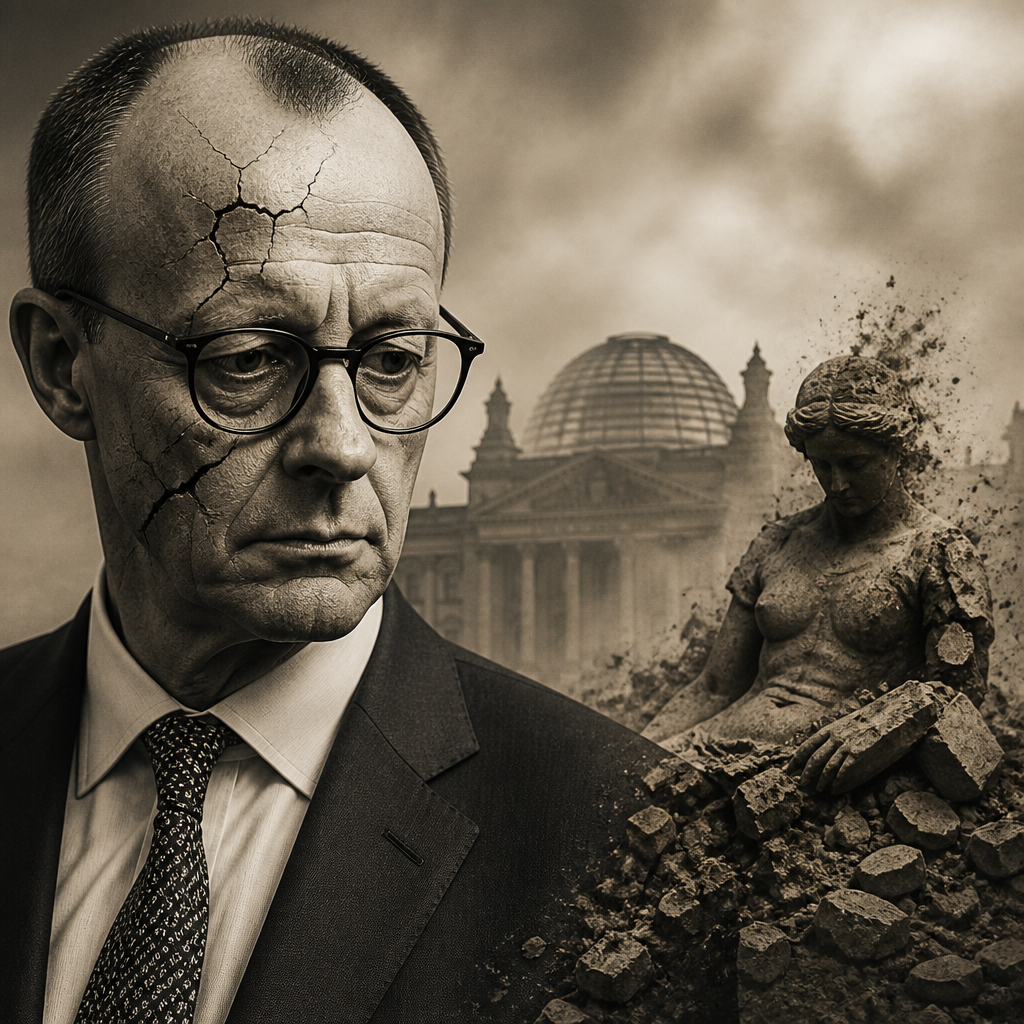
Robert Wuthnow, professor emeritus at Princeton, closes his career with a volume that openly champions the Religious Left and supplies tactics for its advance. He praises politicians who cite Scripture while demanding wider access to abortion and who insist that radical redistribution carries no tension with the Christian confession.
This silence on one side and saturation of critique on the other reveals a coordinated preference for the City of Man over the City of God. The pattern repeats across publishing houses and seminaries that once defended the undivided creeds but now shelter every novelty that flatters the managerial class.
The major premise remains fixed since the Reformation recovered the authority of Scripture alone: no political program may conscript the Word of God to justify the shedding of innocent blood or the leveling envy Scripture names as sin. The five solas and the distinction between Law and Gospel stand as non-negotiable boundaries that separate faithful proclamation from ideological capture.
Wuthnow's academic tone cannot conceal the cheerleading. He treats religiously motivated progressivism as an inheritance to be refined rather than a departure to be judged by the Athanasian Creed's clear statements on the Trinity and the incarnation. Such treatment erases the line that separates the Church from every earthly faction.
Augustine warned that the earthly city always seeks to bend heavenly language to its own survival. The Religious Left repeats that ancient maneuver by baptizing demographic dissolution, household dissolution, and the reduction of persons to economic units. These are not secondary policy disputes; they are direct contradictions of the patriarchal and covenantal order Scripture establishes.
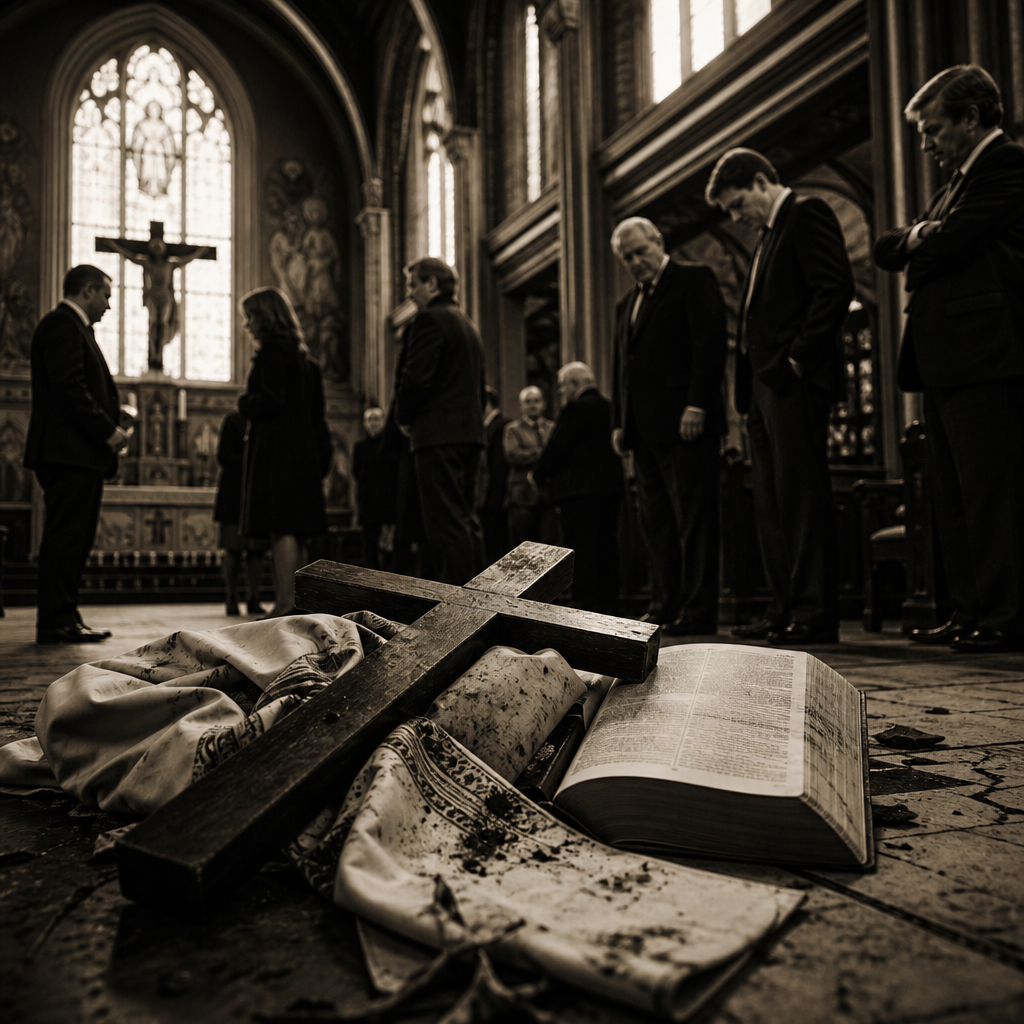
The conclusion follows without remainder. Men who place abortion access under the banner of Christian love commit public falsehood against the sixth commandment and the creedal affirmation of life as gift. The faithful remnant must therefore withdraw support from every pulpit and press that repeats this falsehood and rebuild institutions ordered by the Ancient creeds.
Parallel parishes, confessionally grounded schools, and household economies loyal to place now become necessary acts of resistance. No further accommodation with the Progressive Apostate is possible without surrendering the very ground the Reformers recovered.