



Read Aloud · Premium
Listen to any dispatch in the Grok vocal voices — a benefit of membership.
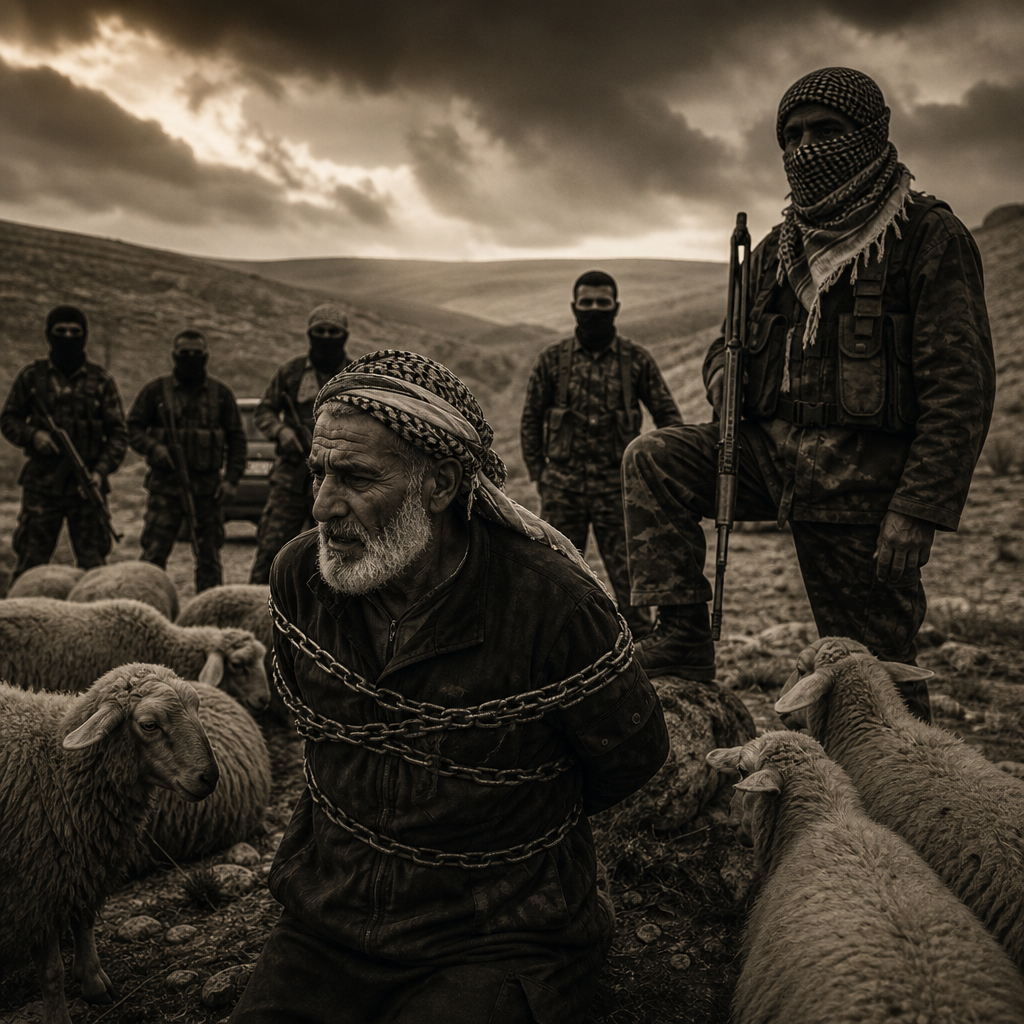
Nehad Hasan crossed from Lebanon into Syria seeking only to show his children their roots in the Kurdish hills of Afrin. Syrian authorities seized the pastor at once, severing a simple household journey and exposing the new masters of Damascus as heirs to the ancient persecutors who cannot abide an ordered Christian household under its own God.
The arrest is no isolated mishap. It flows from the same spirit that long ago drove the Roman state to demand incense for Caesar and now animates every regime that treats the visible Church as a rival sovereignty. Hasan stands as the latest in a line of shepherds whose only offense is the refusal to dissolve covenant households into the mass of the dispossessed.
From the earliest centuries the undivided Church confessed one Lord over every sphere. The Nicene Fathers and the Athanasian Creed alike anchored the soul's allegiance in the triune God, not in the shifting thrones of men. That confession carried the faithful through Diocletian's fires and the later collapse of the old order in the West, proving that no earthly power can finally dislodge the City of God from its place.
The present rulers of Syria inherit the same disordered claim to total authority. They inherit it not from the Ottomans alone but from every revolutionary project that dissolved guilds, parishes, and nations into a single administrative mass. The Kurdish pastor's detention is the local expression of that older rebellion against household and creed.
Where the faithful remnant remains, it must read this event by the light of the creeds rather than the regime's press. The arrest of one shepherd signals the continuing war between the City of God and every city of man that demands the family surrender its first loyalty. No amount of post-Assad rhetoric alters the governing law: Christ alone holds the keys, and every lesser throne must yield or break.
The remnant therefore owes Hasan and his household more than sympathy. It owes them the concrete defense of prayer, material aid, and the public refusal to treat the new Damascus as a legitimate order. The same duty binds every household that still confesses the sovereignty of God over nation and hearth.
History records that such arrests precede larger storms. The faithful who recognize the pattern will prepare their own households, strengthen parallel fellowships, and stand ready to receive the dispossessed when the next wave arrives. The arrest in Afrin is not the end of the story; it is the next line in the chronicle of the enduring struggle.