



Read Aloud · Premium
Listen to any dispatch in the Grok vocal voices — a benefit of membership.
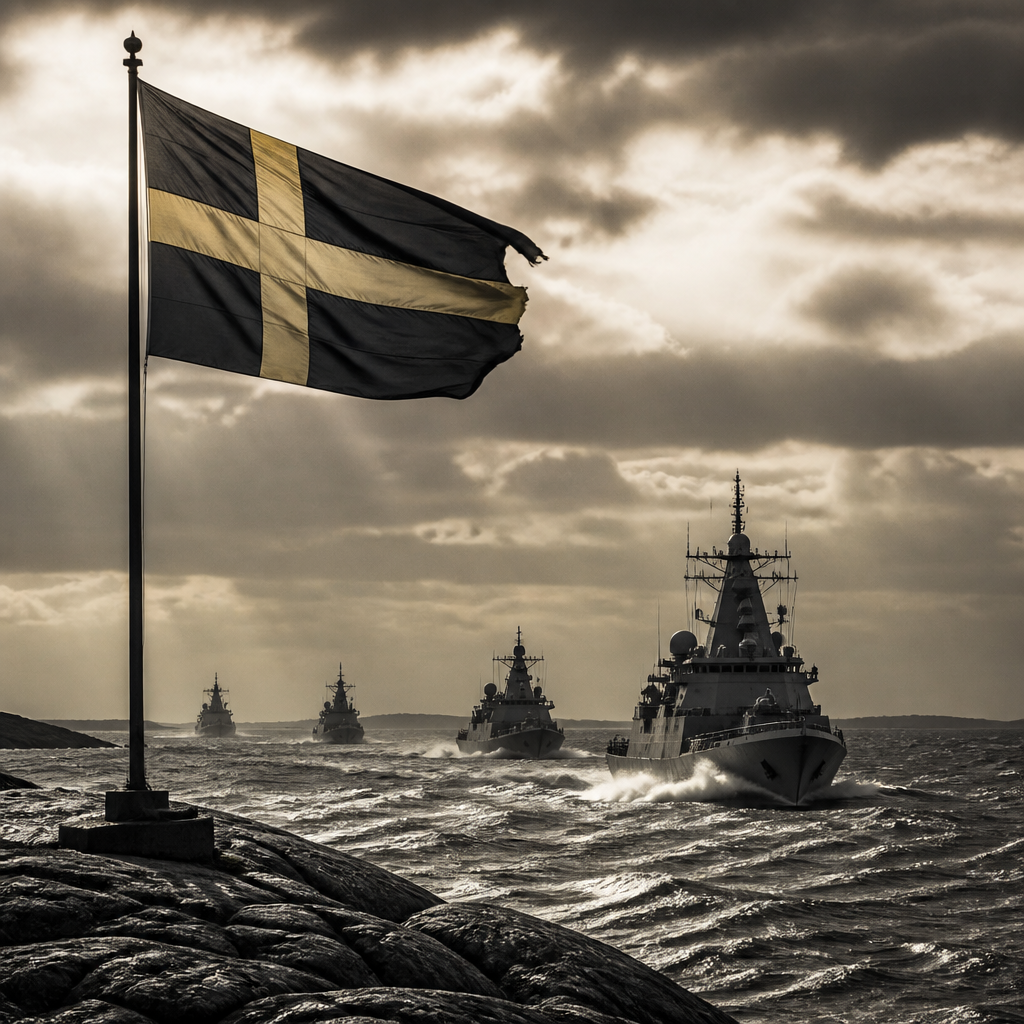
Sweden has chosen national defense over the installation of eleven proposed offshore wind farms, approving only two after rigorous review of their impact on military radar and vessel movement. The ruling identifies the projects as direct obstructions to the Swedish navy’s ability to monitor and respond in waters already under pressure from foreign powers.
This choice exposes the underlying conflict between the managerial push for rapid renewable expansion and the enduring duty of a people to maintain armed vigilance over their own shores. The Swedish government has refused to sacrifice operational readiness for the sake of targets set in distant capitals.
Throughout the history of Western Christendom, ordered realms have placed the protection of their coasts and frontiers above every transient economic scheme, from the fortified harbors of the Hanseatic cities to the naval reforms that preserved Protestant Europe against imperial overreach. That same hierarchy of goods requires that defense precede every fashionable energy project today.
The actors driving the blocked farms operate as agents of a technocratic vision that treats nations as interchangeable zones for uniform infrastructure rather than distinct peoples with unique obligations to their own soil and security. Their plans dissolve the practical distinctions between military space and industrial space until the realm itself becomes vulnerable.
Scripture and the creeds alike affirm that legitimate authority exists to preserve the commonweal against both external threat and internal dissolution. When energy policy collides with that preservation, the sword must take precedence over the turbine.
By drawing this line, Sweden demonstrates that sovereignty remains possible when rulers remember their first charge. The Baltic decision restores a measure of the ancient ordering in which the household of the nation stands above imported abstractions of progress.
The faithful remnant in every European land must now press their own governments to perform the same calculation. Every proposed infrastructure scheme must be measured first against the capacity to repel invasion and secure borders.
Those who continue to subordinate defense to green mandates will answer for the resulting weakness. The Swedish precedent shows the path: reject the projects that weaken the shield and retain only those that leave the realm intact.