



Read Aloud · Premium
Listen to any dispatch in the Grok vocal voices — a benefit of membership.
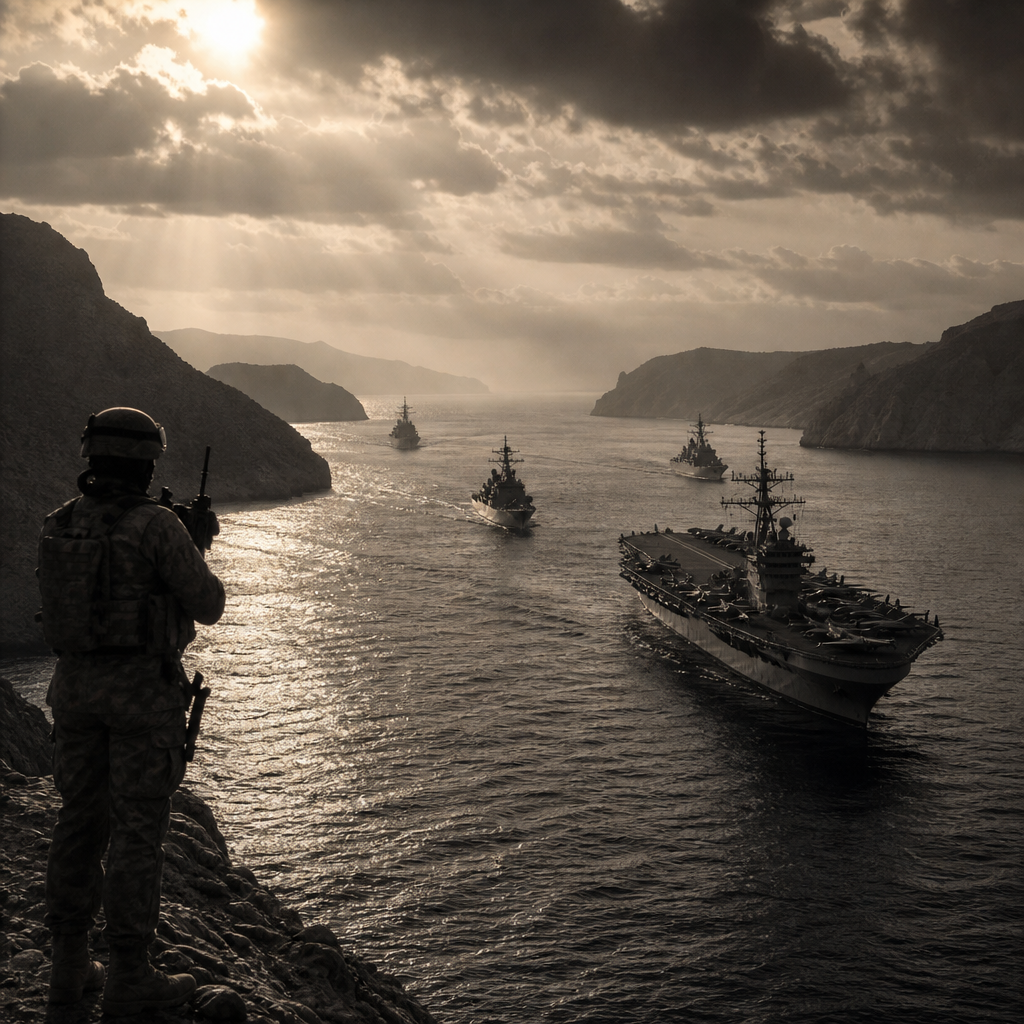
Abbas Araghchi telephoned the foreign ministers of Oman and Saudi Arabia from Tehran, insisting that the Islamic Republic retains full control over the Strait of Hormuz and that American naval presence alone creates the prevailing insecurity.
The calls came days after Iranian state media announced the regime would not negotiate with the United States following two weeks of strikes, even as Houthi proxies resumed attacks on Saudi territory and the Ukrainian conflict began to intersect with Gulf operations.
These maneuvers reveal the Persian theocracy’s calculated bid to consolidate regional dominance by posing as the sole guarantor of passage while provoking rival powers into overextension.
Since the Peace of Westphalia in 1648 established the principle that sovereign states alone may order their internal affairs and defend their territorial waters without external dictation, the right of a nation to secure vital chokepoints has remained a cornerstone of ordered Christendom.
The same tradition condemns both the lawless expansion of revolutionary regimes and the endless overseas commitments that erode the strength of historic nations at home.
Iran’s posture therefore violates the natural law of national self-preservation by seeking to weaponize a global trade artery for ideological gain rather than stewardship.
Washington’s pattern of entanglement invites precisely this sort of challenge, substituting abstract commitments for the defense of concrete borders and interests.
The faithful remnant must therefore demand that American policy return to the defense of its own sovereignty, refusing to subsidize either Iranian ambitions or the entangling alliances that multiply them.