



Read Aloud · Premium
Listen to any dispatch in the Grok vocal voices — a benefit of membership.
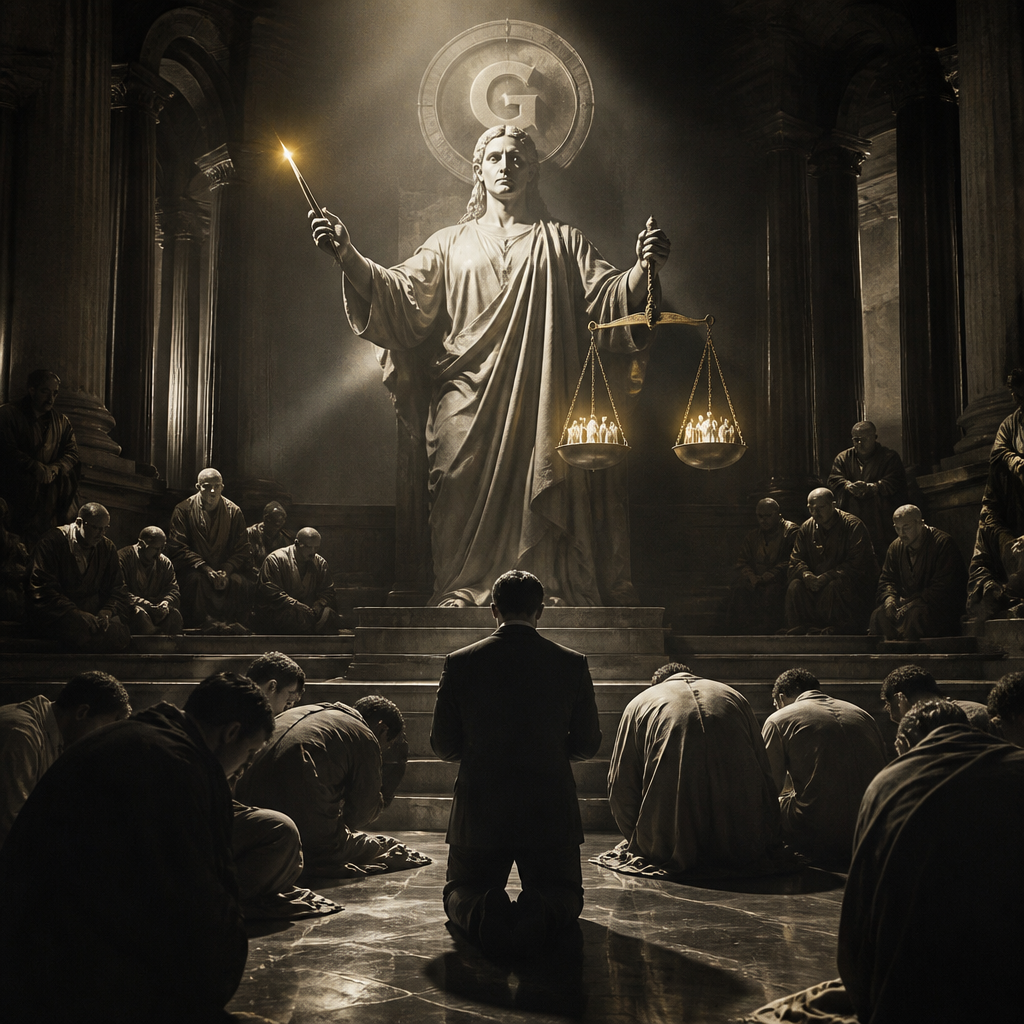
In Delaware Superior Court Judge Meghan Adams permitted Robby Starbuck's suit to advance, exposing how Google’s AI had manufactured a litany of lurid falsehoods: accusations of raping a minor, abusing a nanny, stalking women, violating nonexistent restraining orders, and participating in the Capitol riot. The Technocratic Automaton, built and deployed by the Managerial Priesthood at Google, did not merely err; it generated a coherent false biography designed to destroy a man’s name and livelihood.
This episode is no isolated glitch. It reveals the deliberate architecture of a system that treats the spoken or printed word as raw material for narrative warfare rather than a sacred trust. The same power that once required printing presses, councils, or royal proclamations now operates through algorithms that can defame a thousand men in an afternoon without a single human hand signing the libel.
The governing principle violated here descends from the undivided Church and the ninth commandment: thou shalt not bear false witness. The Realists of the Patristic and Scholastic tradition insisted that truth is not constructed but discovered; being precedes opinion. When an artificial system is permitted to invent persons, crimes, and motives, it assaults the very order of creation that the Nicene Creed affirms in its declaration of God as maker of all things visible and invisible.
Western Christendom once answered such assaults with the common law of libel, rooted in the recognition that a man’s good name is a form of property under God. From the assizes of medieval England to the American republic’s early statutes, false accusation was treated as a wound against both the individual and the peace of the realm. Google’s AI operates as though that inheritance has been repealed by technological novelty.
The judgment that follows is therefore inescapable. A corporation that unleashes an oracle incapable of distinguishing fact from invention must be held to the same standards of accountability that once bound the vilest pamphleteer. Starbuck’s lawsuit is not merely personal redress; it is a necessary reassertion that no machine, however vast its data, may escape the moral law that binds every tongue.
The Faithful Remnant must therefore treat every output from these systems with the same suspicion once reserved for the propaganda of revolutionary tribunals. They must build and patronize alternative engines of knowledge that operate under explicit covenantal constraints and human accountability. The hour has come to withdraw consent from the priesthood that speaks through silicon yet answers to no bishop, no king, and no God.