


Read Aloud · Premium
Listen to any dispatch in the Grok vocal voices — a benefit of membership.
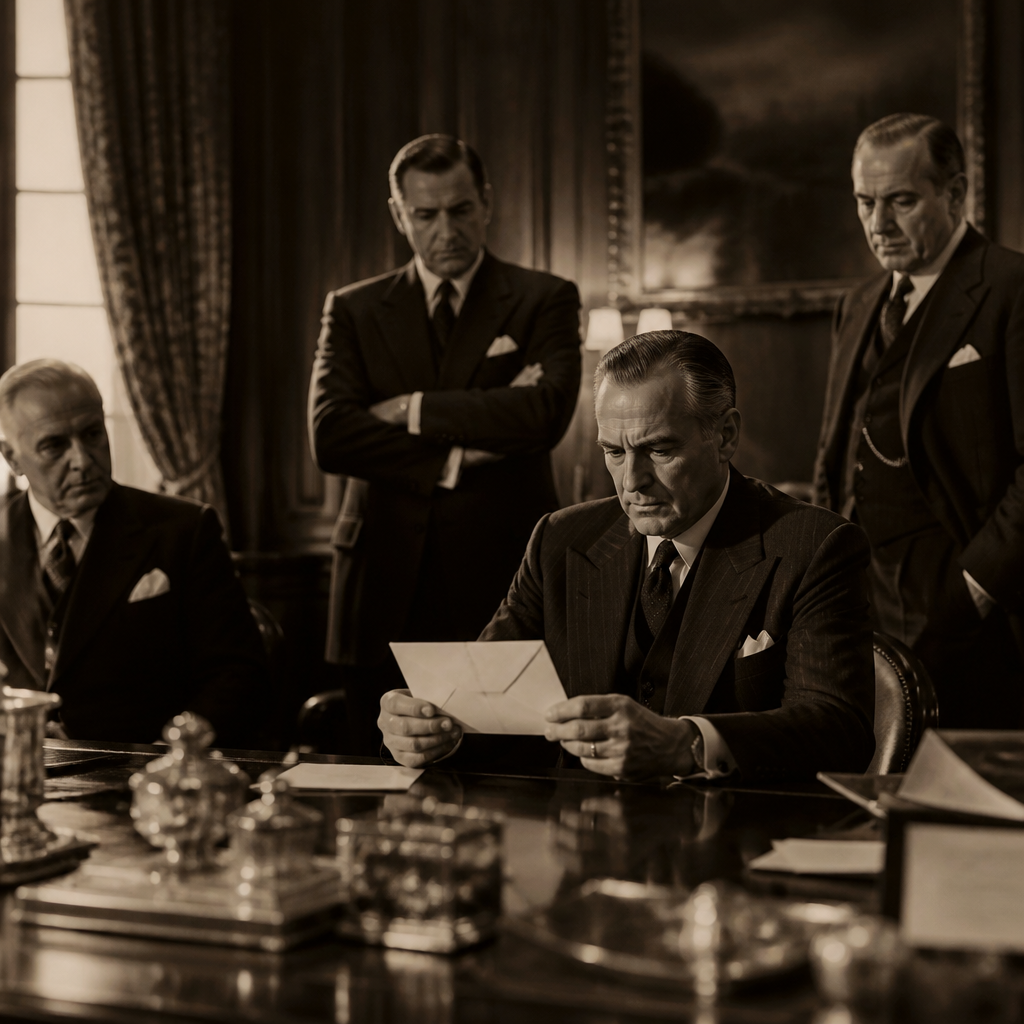
Laurence Fox rose in the Oxford Union and lifted a plain envelope, declaring that its contents would demonstrate Islam's incompatibility with Western liberty. The room convulsed with objections, rule citations, and appeals to respect as the Muslim president asserted that her office itself refuted any claim of intolerance.
Fox answered that his wife had begged him to forbear out of fear for their family, yet he refused the submission such silence would signify. His stand exposed the chamber's governing impulse: the preservation of an imported prohibition at the expense of native speech.
This episode continues the long retreat that began when European powers first permitted religious aliens to dictate the bounds of public discourse. The same spirit that once forced Englishmen to conceal their Bibles now compels them to hide a drawing lest it offend newcomers who reject the very order that shelters them.
The Western inheritance of free speech rests upon the Christian conviction that truth is discovered, not decreed by power. That conviction animated the Reformers who defied both pope and emperor at Worms and Augsburg rather than bow to human prohibition of the Word.
Islam, by contrast, enforces blasphemy as a civic duty and treats any image of its prophet as an assault upon divine order. The Oxford panic therefore measures the distance between two irreconcilable cities: one ordered by conscience, the other by enforced reverence.
The Faithful Remnant cannot surrender the public square without also surrendering the inheritance that made the square possible. Every concession to the demand for silence strengthens the rival order inside the gates.
The nation that will not name the actor who imposes the silence has already begun to live under his law. The faithful must therefore speak the forbidden thing, bear the cost, and refuse the etiquette of fear that now passes for civility.