



Read Aloud · Premium
Listen to any dispatch in the Grok vocal voices — a benefit of membership.
Forty-nine thousand migrants crossed from Morocco into Ceuta in twenty-four hours, overwhelming the Spanish enclave that forms part of the European Union’s external frontier. Eighteen bodies lay at the Tarajal crossing and along the coast where men had tried to swim the barriers. Vehicles burned at Beni Enzar in Melilla while Spanish security forces retreated under stones and fire.
Pedro Sánchez, prime minister of a government that has long treated national borders as moral embarrassments, responded with two hundred specialist officers and sixty soldiers. He announced an immediate visit and renewed talks with Rabat, the very power that had opened the floodgates. The pattern repeats the policy that has emptied villages, strained cities, and erased the distinction between citizen and stranger across the continent.
This event is not an accident of weather or poverty. It is the predictable result of a ruling class that has replaced the ancient Christian conviction that nations possess legitimate borders with the managerial dogma that movement is a right and sovereignty a prejudice. The Dispossessor moves through ministries and NGOs, dissolving the household economies and parish orders that once bound peoples to their soil.
Scripture and the undivided Church have always recognized that God apportioned the nations and fixed their boundaries. The City of God does not abolish the City of Man; it judges it. When rulers refuse to defend the inheritance of their fathers, they commit the sin of Ahab, who sold his people’s birthright for alliance with foreign powers.
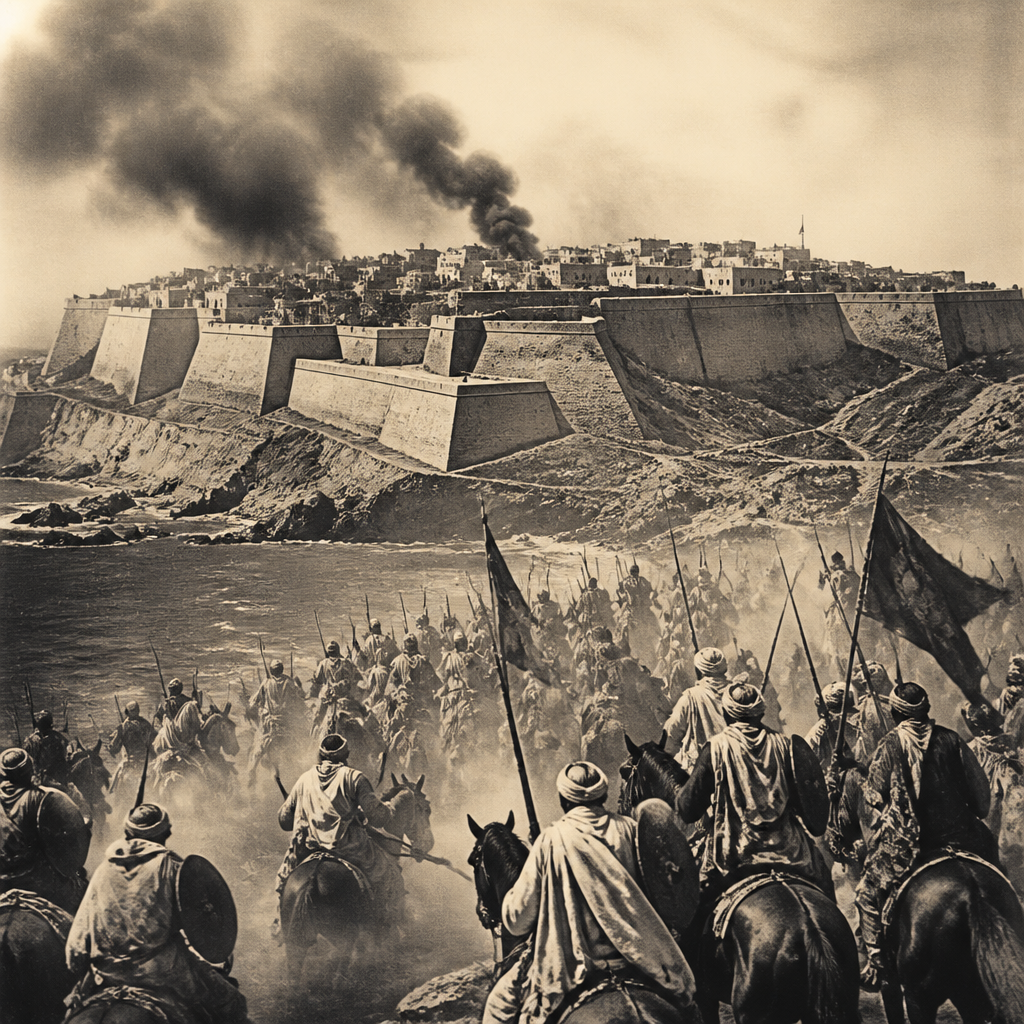
The same principle guided the Reconquista that recovered the Iberian peninsula from Islamic conquest between the eighth and fifteenth centuries. Spanish monarchs understood that Ceuta and Melilla were not humanitarian transit points but forward bastions of Christendom. Sánchez’s government treats them as open reception centers, reversing seven centuries of settled Christian policy in a single generation.
The consequence follows with iron logic. Where borders are dissolved, the household ceases to be the basic productive unit. Property passes into corporate and state hands. Fertility collapses. The remnant that still confesses the ancient creeds and keeps covenant households finds itself a minority in its own cities. The managerial priesthood that engineered the breach will not restore what it has destroyed.
The faithful remnant must therefore cease petitioning the Sánchez regime and begin the work of reconstituting sovereign authority at every level still within reach. That work begins with the plain refusal to fund or staff the agencies that facilitate the invasion. It continues with the recovery of local militias, parish registers, and household economies that once made the frontier defensible. No lesser response answers the scale of the breach.