



Read Aloud · Premium
Listen to any dispatch in the Grok vocal voices — a benefit of membership.
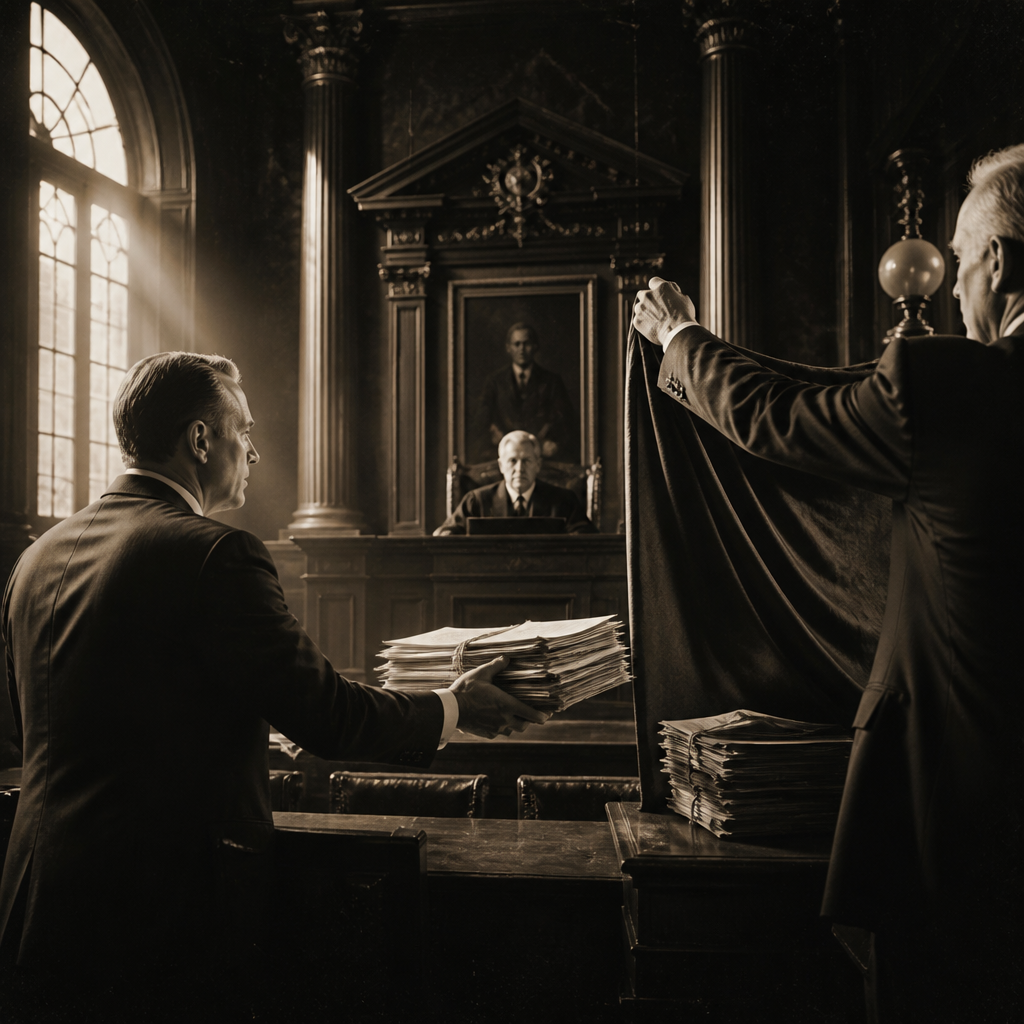
An appeals court has ordered the release of recordings from Joe Biden's memoir interviews, rejecting the former president's claim that secrecy must prevail. The majority held that no sufficient likelihood of harm justified withholding the materials from public view.
This decision strikes at the heart of the managerial priesthood's habit of concealment, where those who wield temporary power treat records of their actions as private property rather than public trust. The attempt to bury these tapes reveals a deeper motive: the desire to shape a controlled narrative while suppressing raw evidence that might contradict the approved story.
From the earliest centuries of Christendom, the principle that rulers answer to the law rather than stand above it traces back to the councils of Nicaea and the codification of Roman custom under Justinian, where even emperors submitted their edicts to recorded judgment. That same demand for open accountability passed into the common law tradition that bound kings after Magna Carta and informed the American constitutional order.
The governing principle at stake is the ancient Christian conviction that truth is objective and must be discovered, not constructed by those in authority. When officials seek to hide their words, they place themselves in rebellion against the moral order that requires honest weights and measures in every sphere, including the conduct of public office.
By shielding the recordings, the former president aligned himself with the technocratic impulse to manage perception rather than submit to scrutiny. The court's refusal to grant that protection restores a fragment of the boundary between legitimate authority and arbitrary power.
The faithful remnant must now treat every such ruling as a precedent for further demands of transparency. They must press for the full release of these materials and similar records, refusing to accept any regime's claim that its deliberations are exempt from examination.
Only through persistent insistence on disclosure can households and communities begin to reclaim the ground lost to administrative secrecy. The alternative is continued surrender to a state that writes its own history while erasing the evidence of its actions.